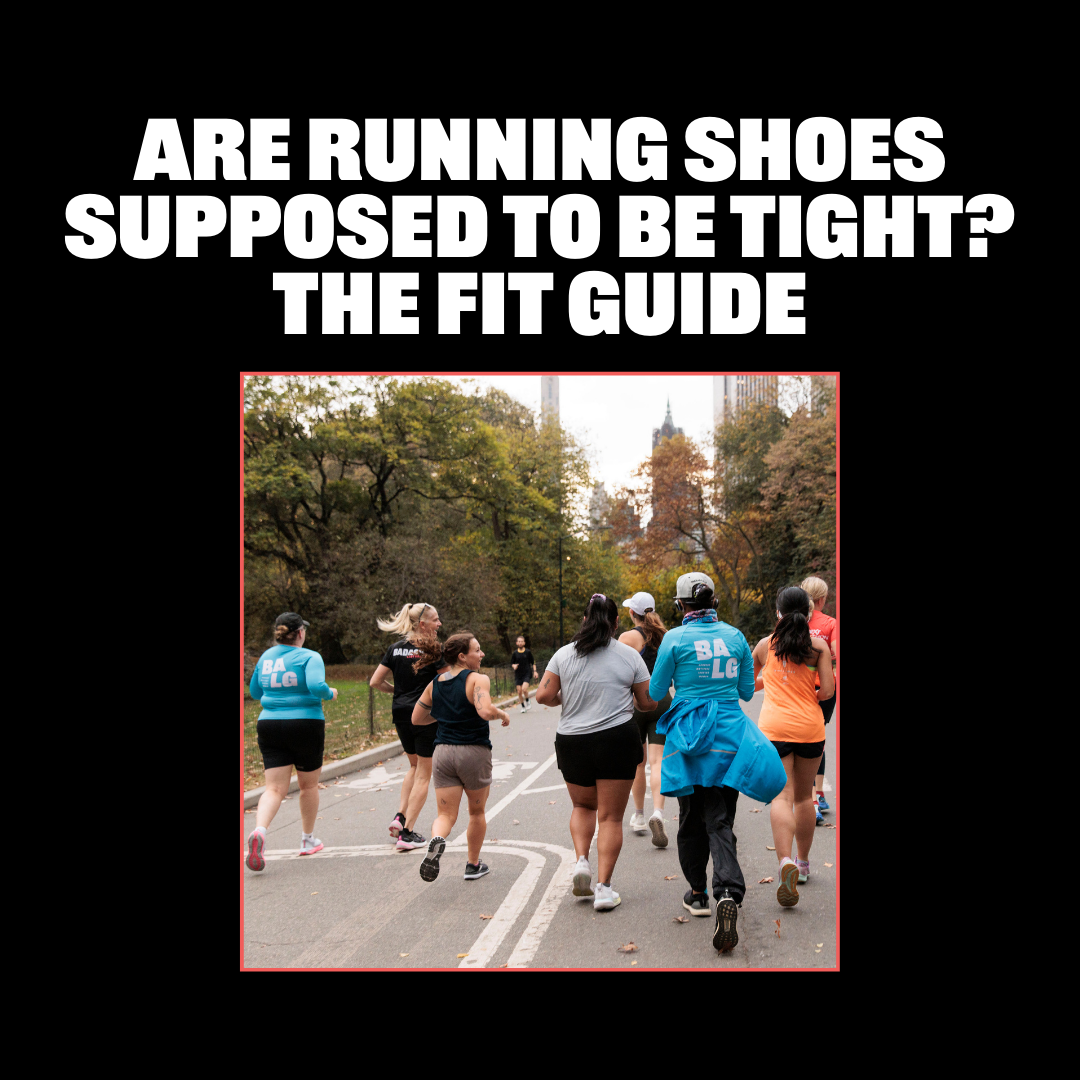
Are Running Shoes Supposed To Be Tight? The Fit Guide
Confused about running shoe fit? Learn exactly how tight (or loose) your running shoes should be and avoid the most common fitting mistakes runners make.
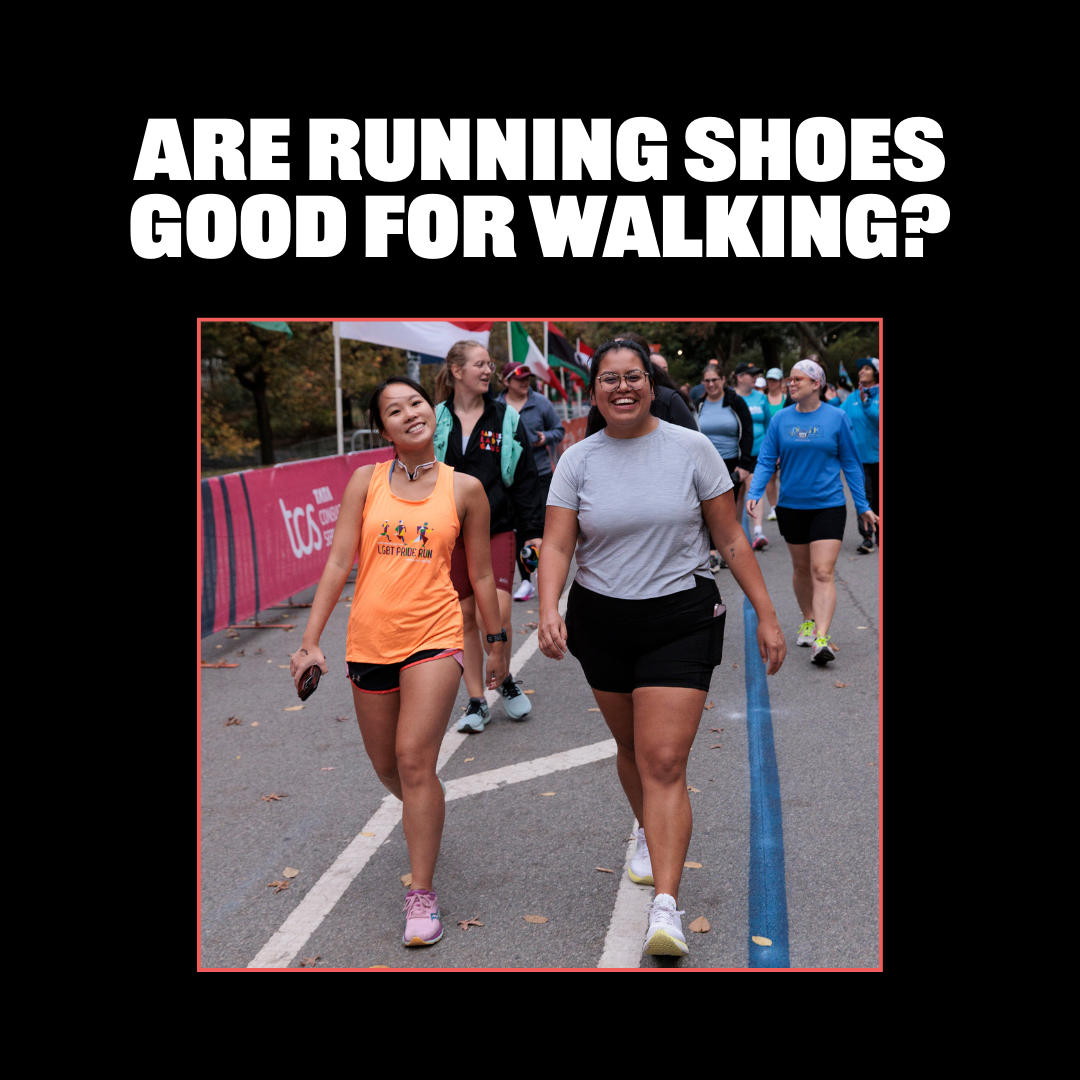
Are Running Shoes Good For Walking?
Wondering if running shoes work for walking? Learn the differences between running and walking shoes, plus how to choose the right footwear for your goals.
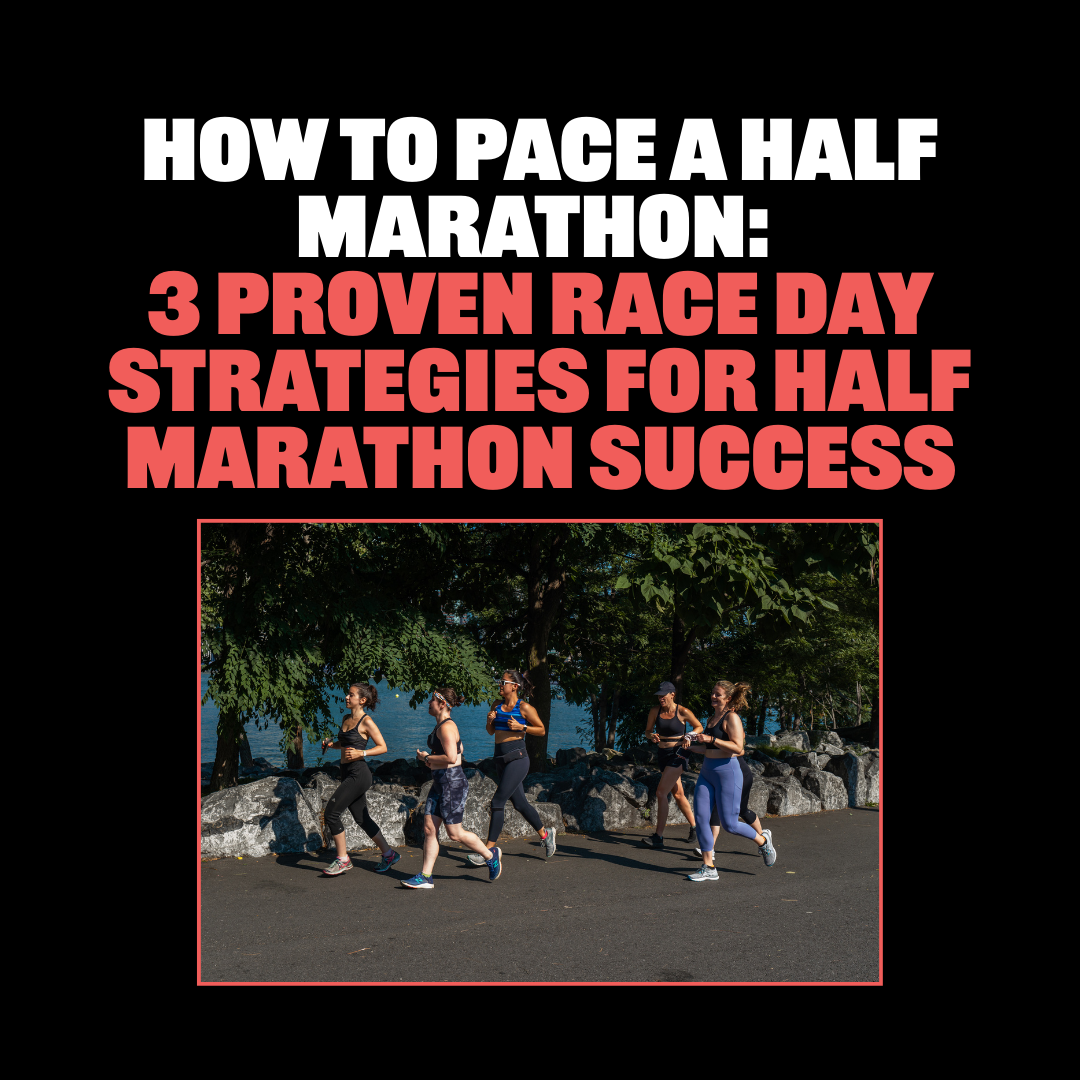
How to Pace a Half Marathon: 3 Proven race day Strategies for half marathon Success
Half marathon race strategy: Learn how to pace a half marathon with 3 proven strategies that work for every runner. From PR attempts to joyful finishes, find the pacing approach that fits your goals.
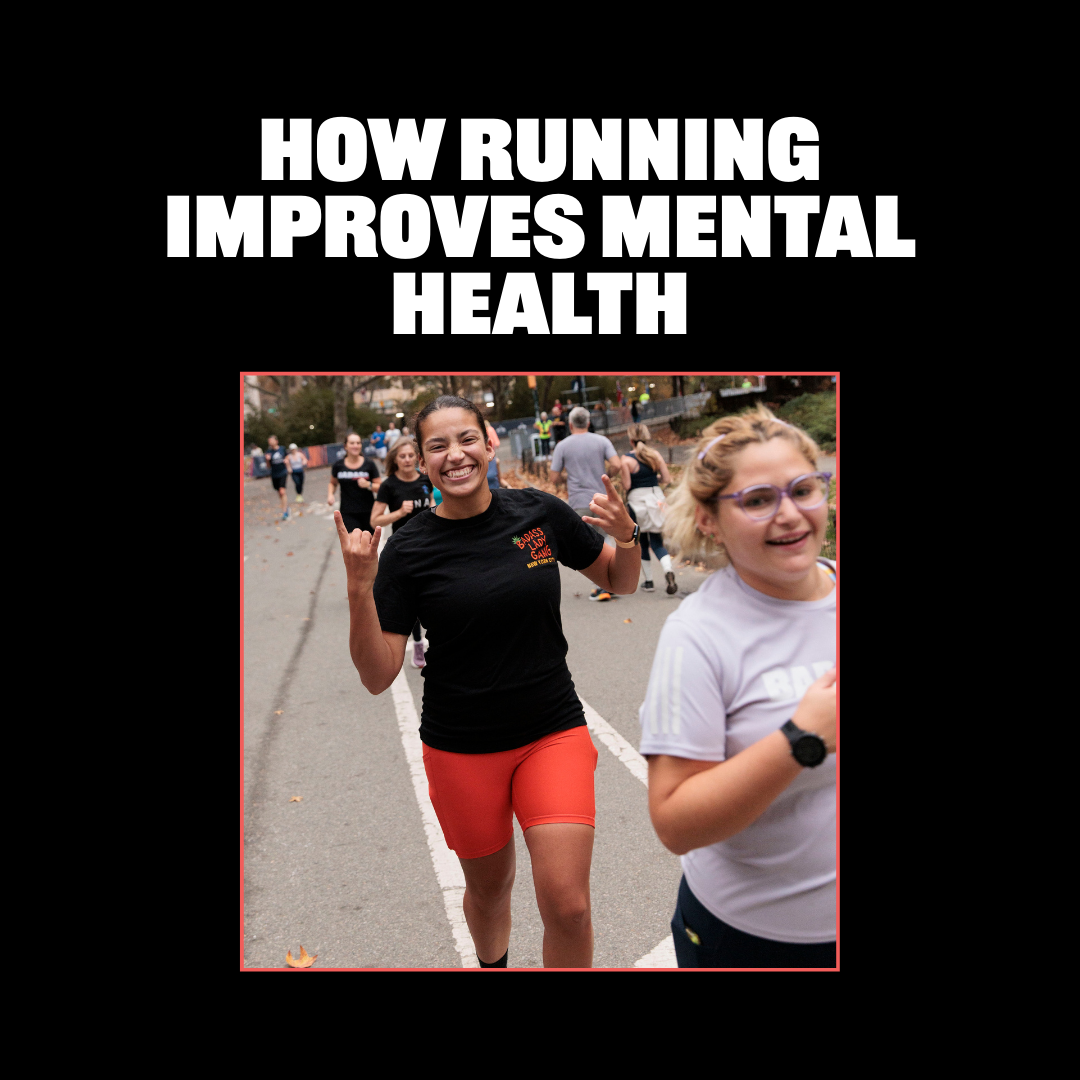
How Running Improves Mental Health
Running isn't just about physical fitness—it's a powerful tool for mental health backed by neuroscience and psychology. When you combine the brain-changing benefits of running with proven sports psychology and CBT principles, you create real, lasting change. Learn how to use running intentionally to build self-efficacy, practice mindfulness, reframe negative thoughts, and develop mental resilience. From mastery experiences that boost confidence to behavioral activation that fights depression, running offers a science-backed path to a stronger mind. Plus, get actionable strategies you can implement on your next run to turn every mile into an opportunity for mental growth.
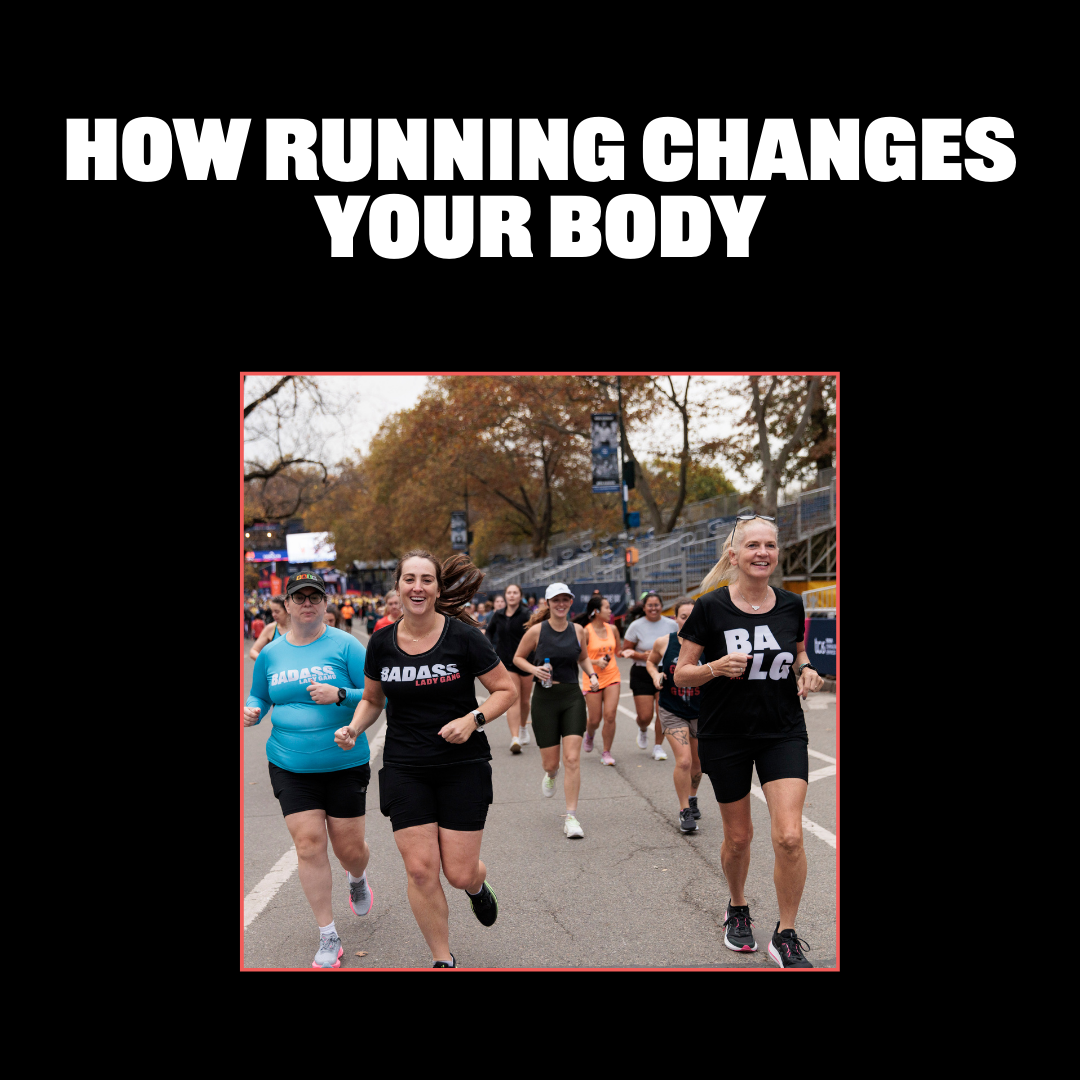
How Running Changes Your Body
Curious how running changes your body? Discover the real transformations—from stronger bones to better sleep—that have nothing to do with your size.
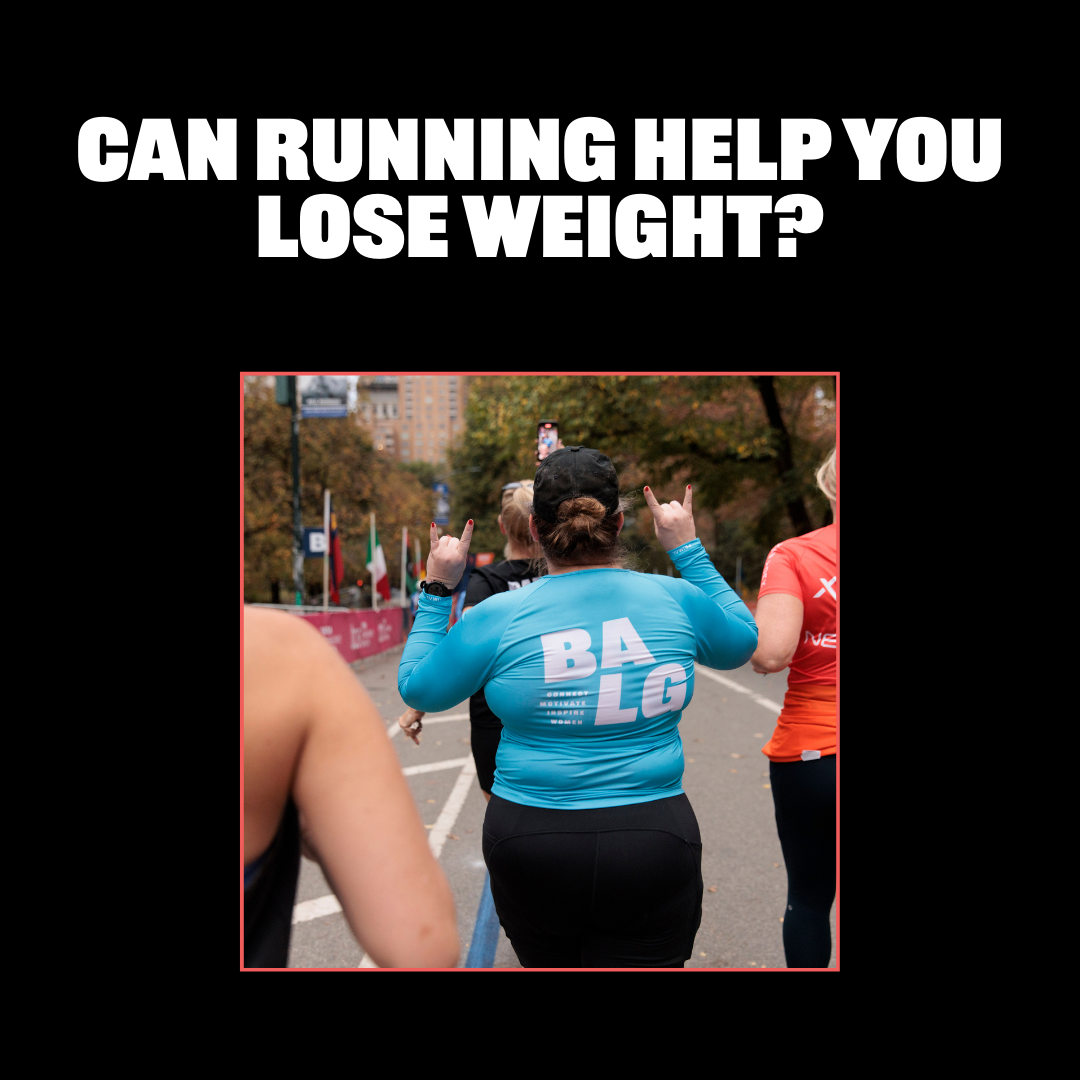
Can Running Help You Lose Weight?
Can running help you lose weight? Maybe, but should that be your goal? Learn why running for weight loss is problematic and discover better reasons to run.

The Hardest Part of a Marathon: (the 8 hardest parts of a marathon And How to Overcome Them)
Wondering what the hardest part of a marathon really is? The truth is, there's not just one challenge - from the grueling training months to race day cramping, mental battles, GI distress, and pushing through exhaustion. Here's how to prepare for and overcome all eight of the toughest marathon challenges.
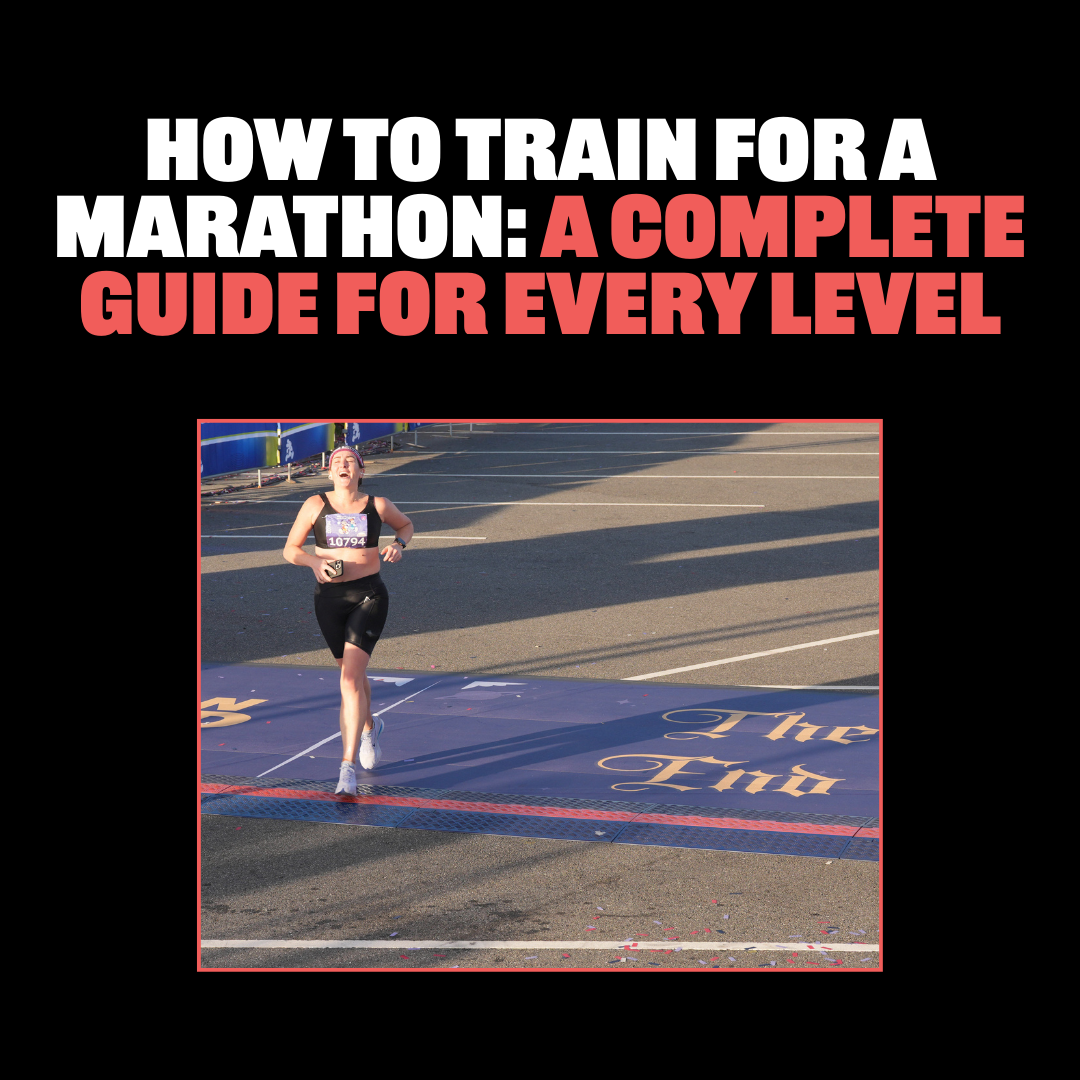
How to Train for a Marathon: A Complete Guide for Every Level
Training for a marathon requires months of dedicated preparation, but with the right approach, almost anyone can build up to 26.2 miles. This complete guide covers everything you need to know: building your aerobic base, structuring your training plan, understanding different workout types, mastering race-day pacing, fueling strategies, and mental preparation. Whether you're a first-time marathoner or looking to improve your time, learn the science-backed training principles that will get you to the finish line strong and confident.
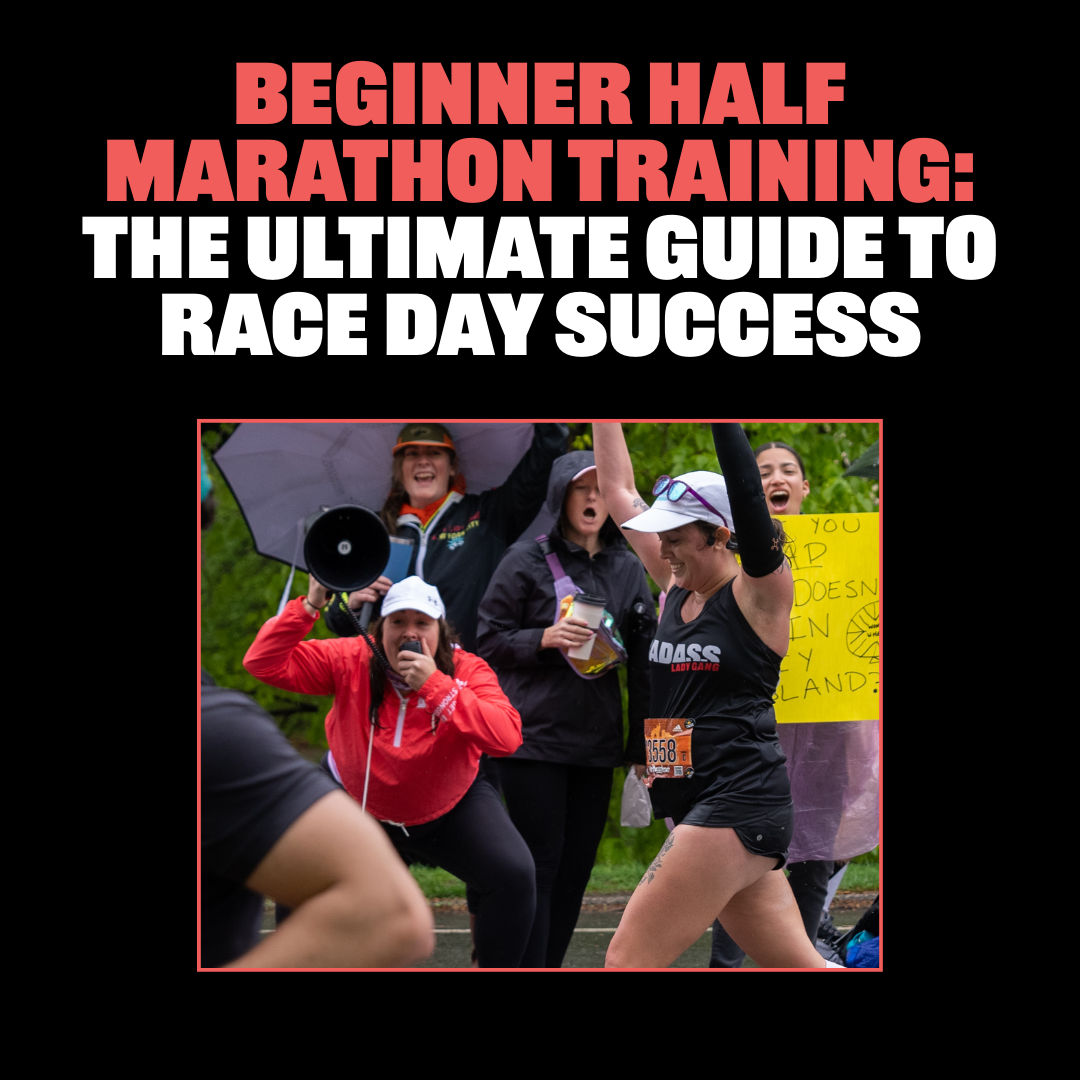
How to Train for a Half Marathon: A Complete Beginner's Guide
Thinking about running a half marathon? You absolutely can do this.
This complete beginner's guide walks you through everything you need to know to train for 13.1 miles—from understanding the science behind your training to building a plan that fits your life and current fitness level.
You'll learn why training by time (not miles) prevents injury and burnout, how to structure your weekly training with long runs, speed work, and recovery days, the difference between all-out racing, negative splits, and party pace strategies, and why strength training is non-negotiable for staying healthy.
Whether you're a complete beginner or someone returning to running, this guide teaches you the why behind every aspect of half marathon training. Because when you understand what you're doing, you build lasting confidence that carries you through race day and beyond.
Your journey to 13.1 miles starts with a single step. Learn how to train smart, build strength, and cross that finish line feeling strong.
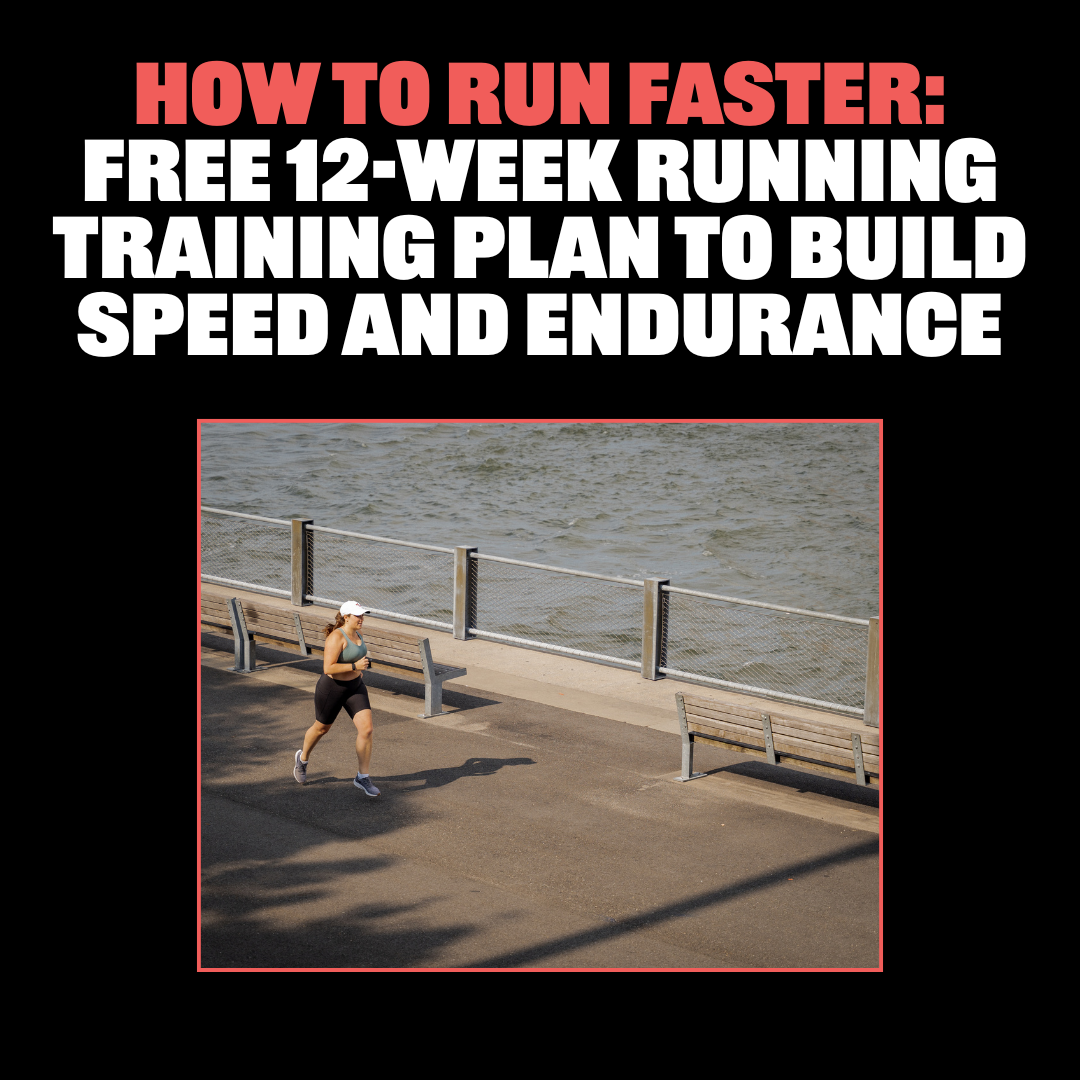
How to Run Faster: Free 12-Week Running Training Plan to Build Speed and Endurance
Looking for a free running training plan that actually helps you run faster? Build Your Base is a comprehensive 12-week program designed to build aerobic endurance, add smart speed work, and develop strength—all while training alongside a supportive community. This isn't just a training plan; it's a structured experience that teaches you the science behind speed development so you understand why you're doing each workout, not just what to run.
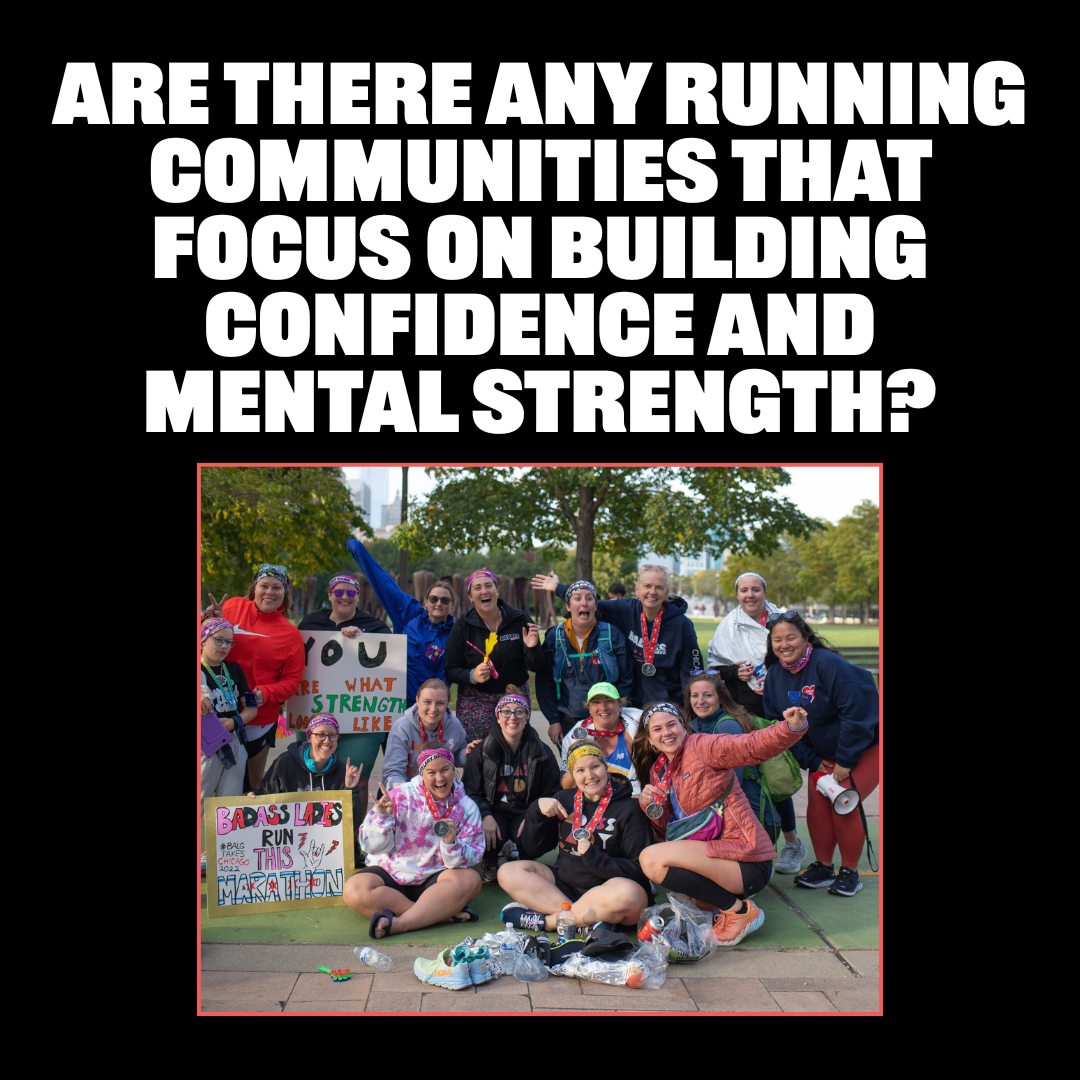
Are there any running communities that focus on building confidence and mental strength?
Looking for a running community that builds confidence and mental strength? Badass Lady Gang offers group coaching, personalized training plans, race-specific programs, and free resources for women runners. Learn how to train with education, support, and body positivity.

5 Ways To Run Smarter (Not Harder)
Learn how to run smarter with these 5 game-changing strategies. Discover efficient running tips that prevent injuries, improve performance, and make training more enjoyable.
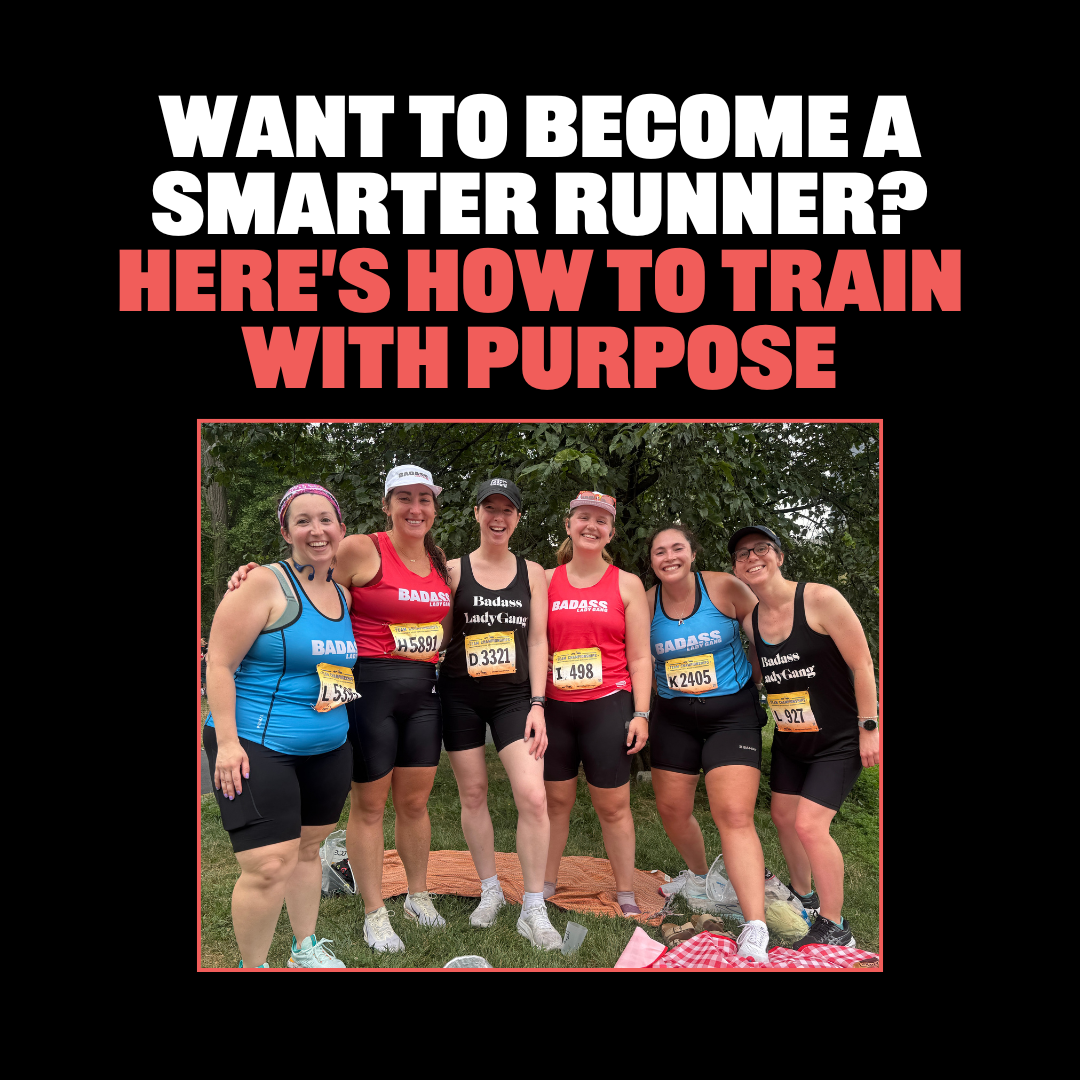
Want to Become a Smarter Runner? Here's How to Train with Purpose
Most runners follow training plans blindly, trusting it all magically works out on race day. But when something feels off or doesn't go as planned, they have no idea how to adjust because they never understood how it all works in the first place. A smarter runner isn't necessarily a faster runner—it's someone who understands the science behind their training, knows how to adapt when life gets messy, and builds confidence that lasts way beyond race day. Here's what it actually means to train with purpose.

EXTREMELY Beginner Tips on How to Start Running (From the Former President of the "I F*cking Hate Running Club")
Beginner running tips from someone who used to despise it. Learn how to start running as a complete beginner with realistic advice on shoes, training plans, run-walk intervals, and avoiding common mistakes.
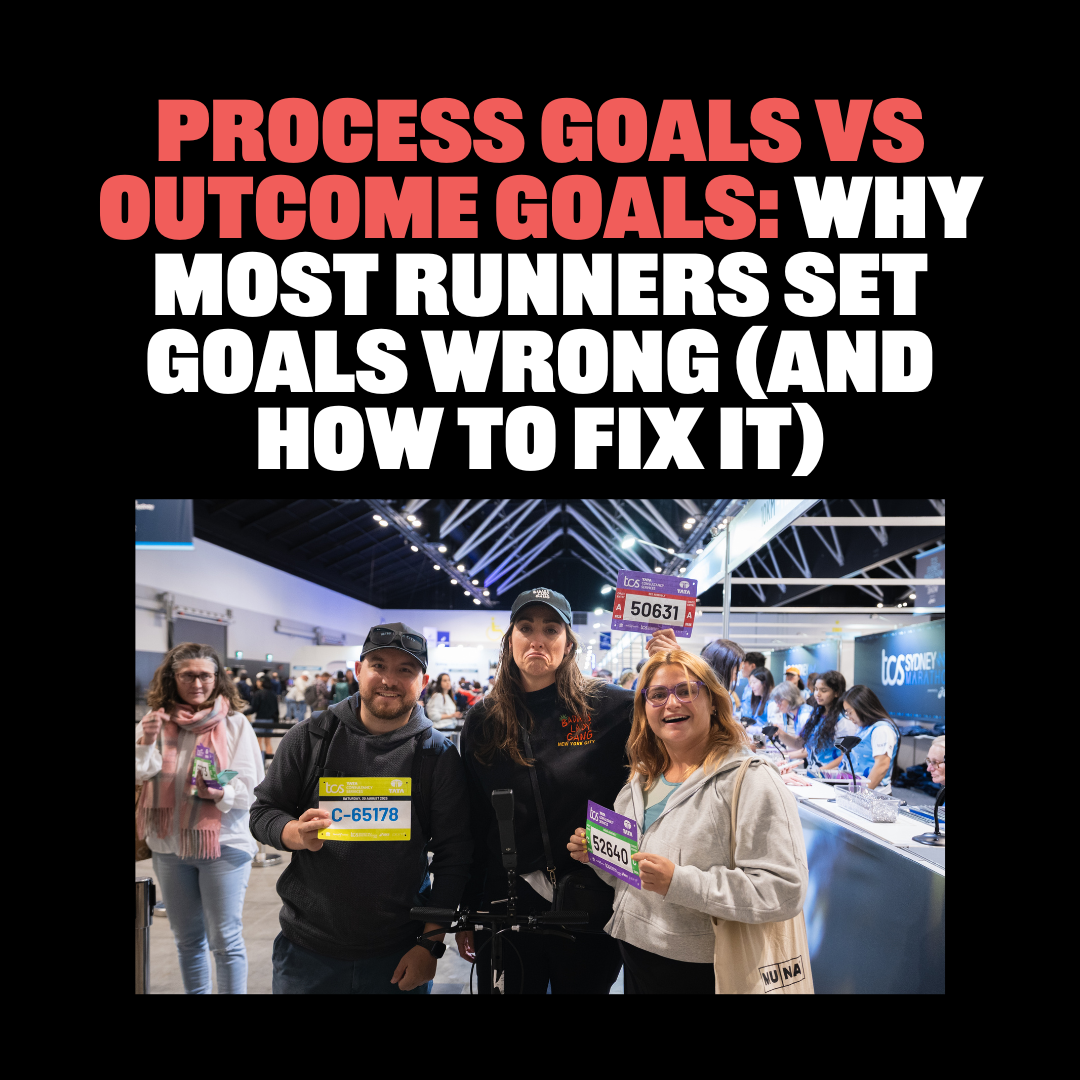
Process Goals vs Outcome Goals: Why Most Runners Set Goals Wrong (And How to Fix It)
Most runners set outcome goals and feel like failures when race day doesn't go as planned. Learn why process goals matter more and how to set goals that build mental strength, confidence, and lasting change—regardless of your finish time.

Holiday Gift Guide for Runners 2025: The Ultimate List of Running Gifts They'll Actually Use
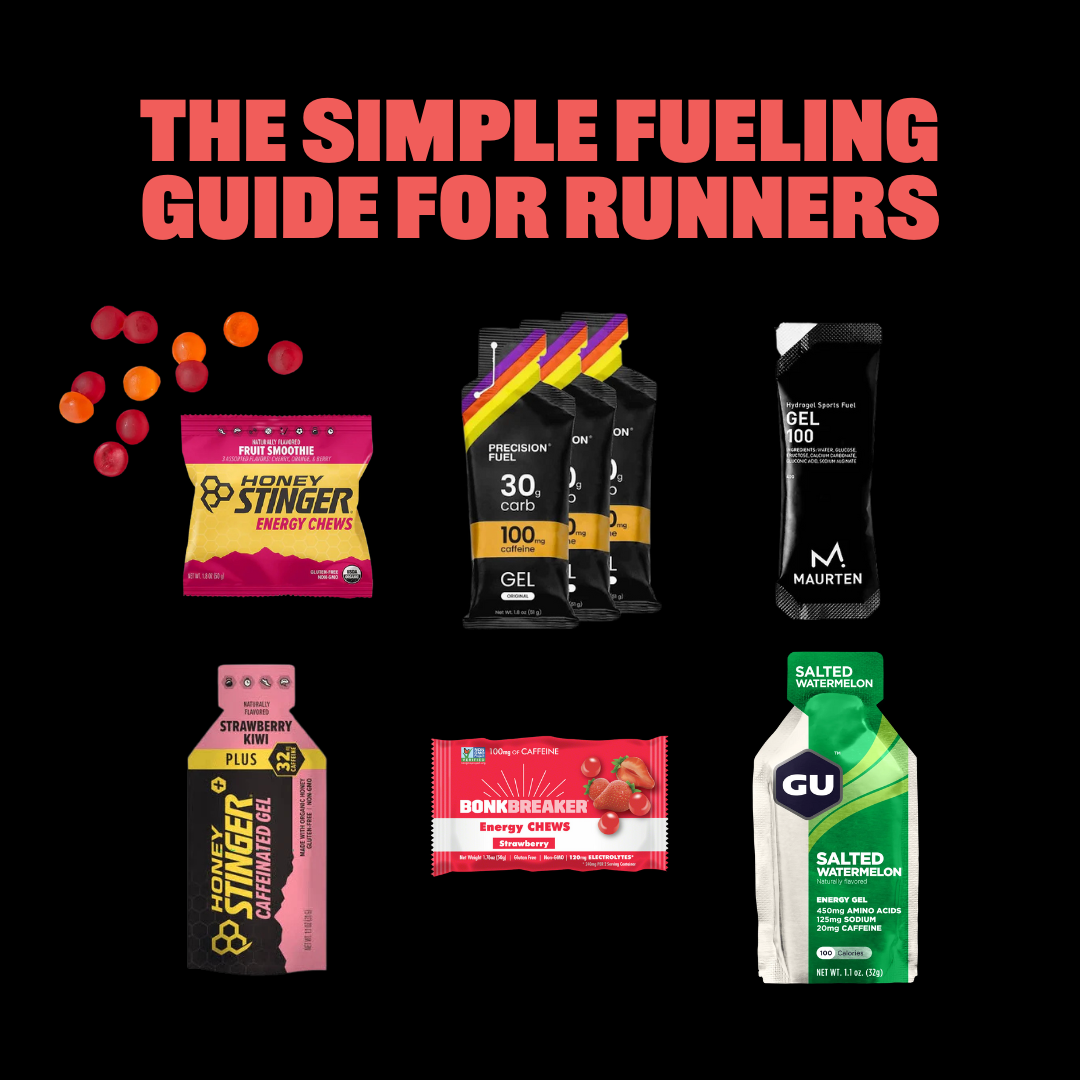
The Simple Fueling Guide for Runners
Learn the no-BS basics of runner fueling from Coach Kelly. Discover what to eat during long runs, how much fuel you actually need (30-90g carbs/hour), and why practice matters. Skip the guesswork with simple strategies for real food vs gels, hydration tips, and common mistakes that sabotage your runs. Perfect for beginners ready to fuel like a pro.
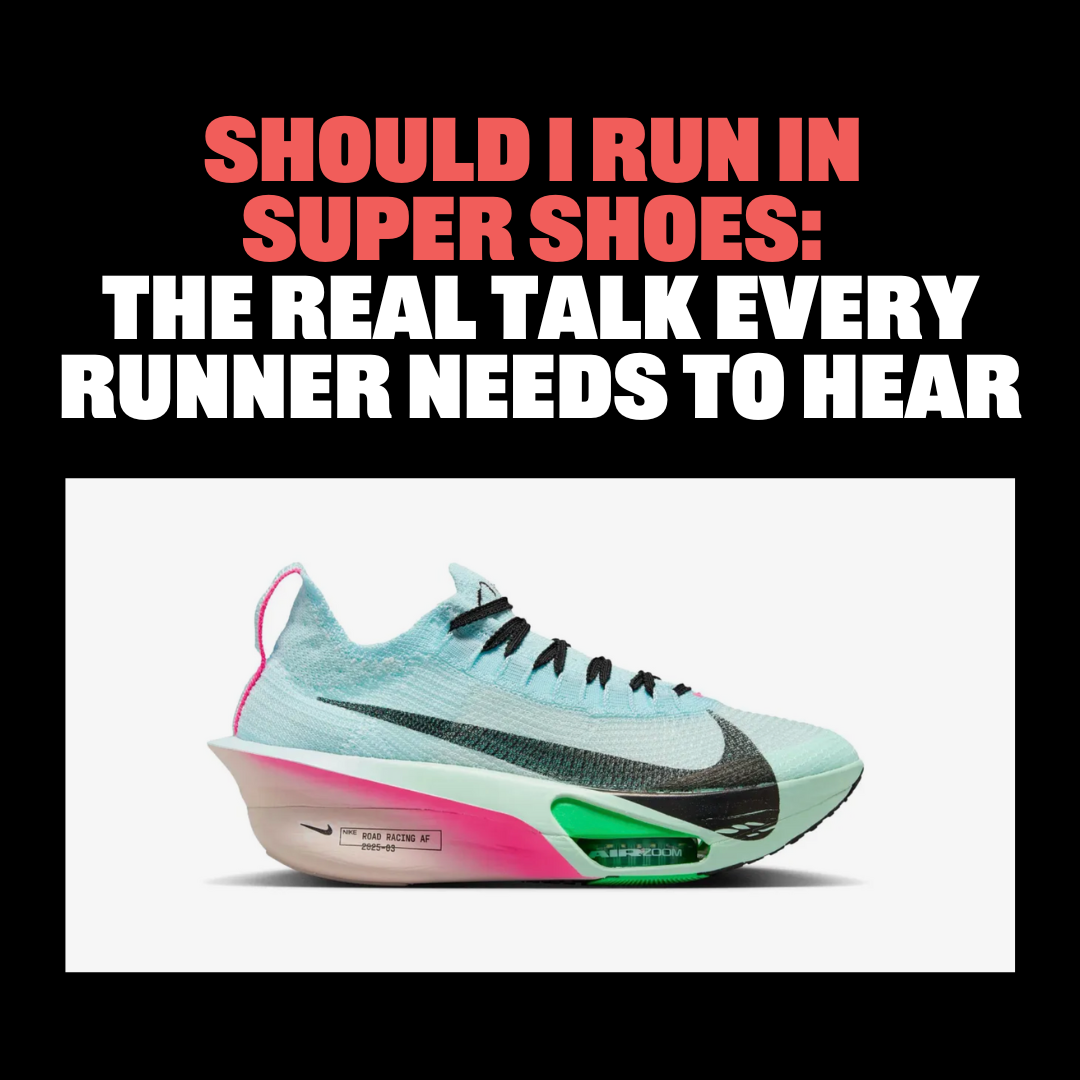
Should I Run In Super Shoes: The Real Talk Every Runner Needs to Hear
This honest assessment examines super shoes or carbon-plated racing shoes, cutting through marketing hype to determine when premium racing shoes genuinely enhance performance versus when they represent expensive unnecessary purchase for recreational runners. The article explains super shoe technology including carbon fiber plates providing propulsive energy return, thick foam stacks maximizing cushioning and spring, aggressive rocker geometry promoting forward roll, and premium materials increasing cost to two hundred fifty to three hundred dollars per pair. Real benefits documented include measurably improved running economy at faster paces, energy savings over marathon distance, psychological confidence boost from wearing elite-level gear, and genuine time improvements for competitive runners. Limitations and drawbacks address that benefits decrease significantly at slower paces under eight to nine minute miles, that shoes require adaptation period due to aggressive geometry, that extremely high cost questions value for recreational runners, that durability is limited compared to traditional trainers, and that relying on shoes rather than training creates false confidence. The guide provides decision framework considering whether you race competitively making time improvements valuable, if budget allows two hundred fifty dollar shoes used sparingly, whether you run fast enough to benefit from plate technology, and if you have established training base maximizing shoe potential. Honest recommendation suggests that most recreational runners receive minimal benefit from super shoes versus quality neutral trainers, that new runners should invest in proper daily trainers before considering racing shoes, that super shoes work best for specific race day use rather than daily training, and that improving through smart training matters infinitely more than marginal gains from expensive shoes. BALG emphasizes that super shoes are not magic solution making slow runners fast, that they represent luxury rather than necessity, and that runners should prioritize consistency and proper training over equipment hoping for shortcuts to improvement.

Stability Running Shoes: When Your Feet Need a Little Extra Love